Labels, measurements and condition: a short guide to buying pre-owned with confidence.
Buying vintage is a little like reading. A piece tells you a lot about itself, if you know where to look.
Start with measurements, not the size
Sizes change between decades, countries and houses. An Italian 42 from 2005 is not a 42 from today. That's why every piece at RARE. is measured flat, by hand, in centimetres. Take a garment you love from your own wardrobe, lay it flat, measure it the same way and compare. It takes two minutes and saves you most disappointments.
Read the label
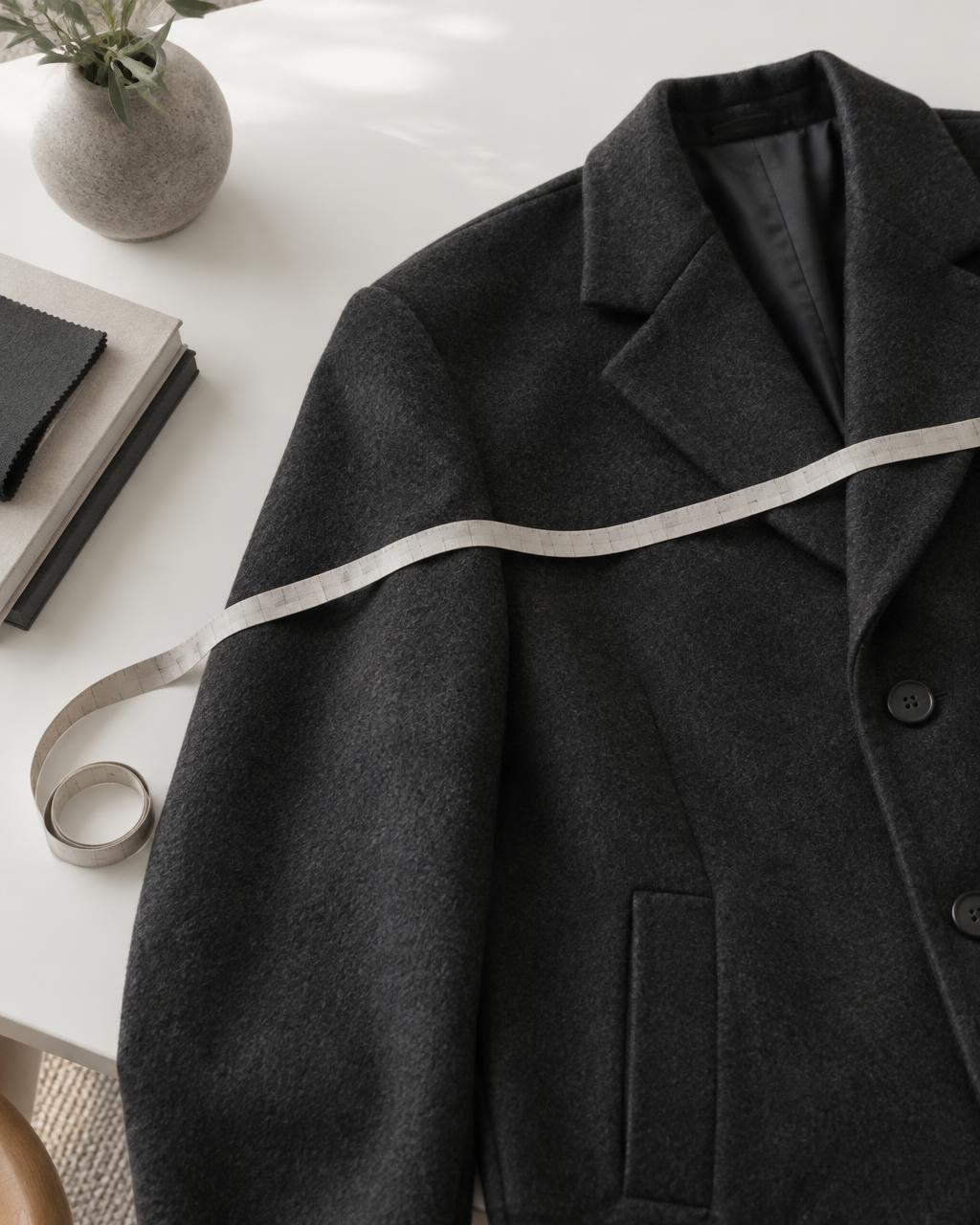
The label tells you where and roughly when a piece was made, and what it is made of. Composition matters more than most people think: wool, cashmere and silk age beautifully; cheap blends usually don't. Some labels say more by saying less. Margiela's blank white label is a statement in itself.
Understand condition
We use three grades. Excellent: no visible signs of wear. Very good: minimal wear, invisible when worn. Good: visible wear, described and photographed. Every flaw we find is in the photos. A small mark on the hem of a twenty-year-old coat is less a defect than evidence of a life.
Look at construction
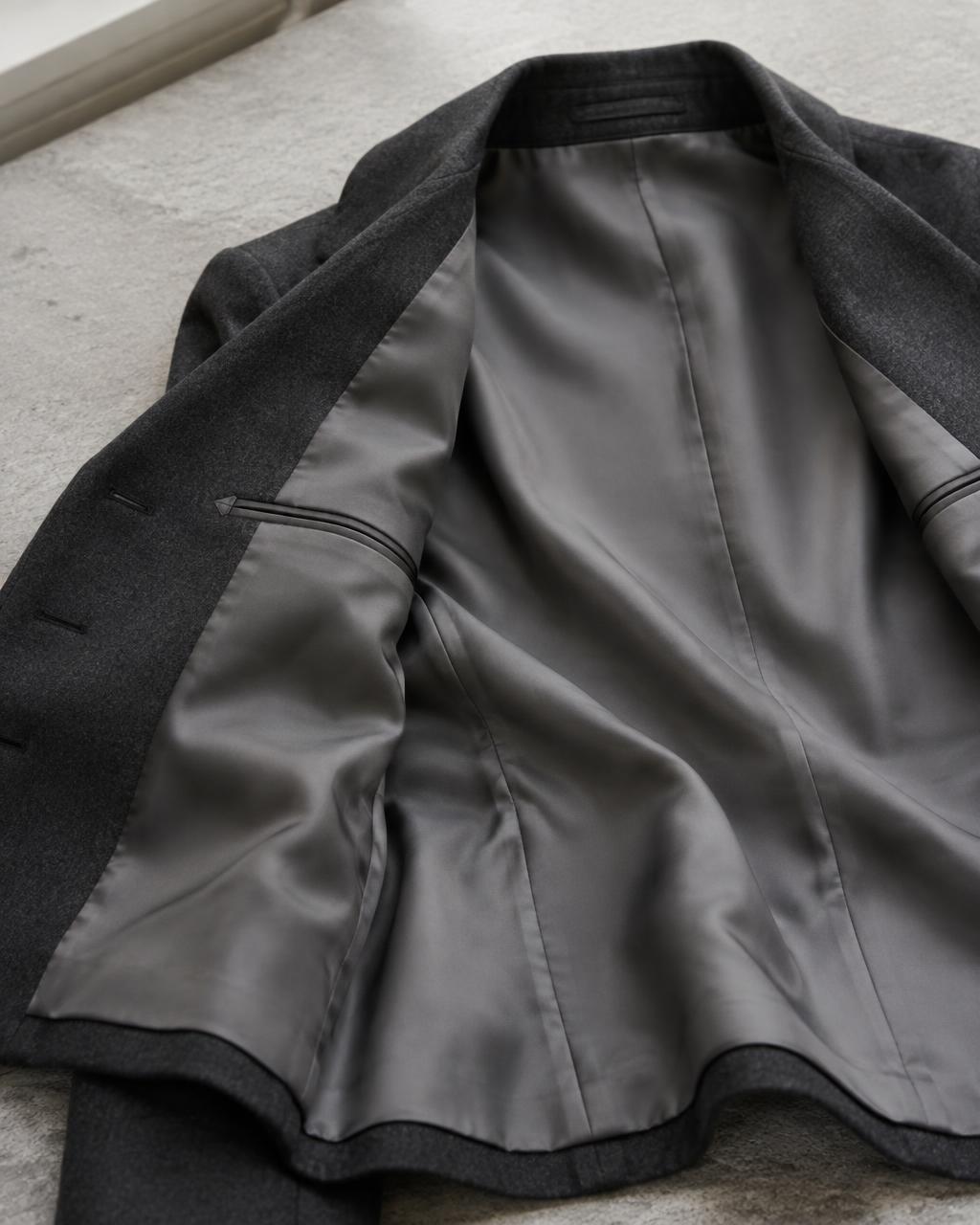
Look inside if the photos allow. Even seams, finished edges, a lining that sits flat: these are the signs of a garment built to last, and they are often better in older pieces than in new ones.
And finally, trust the feeling
If you keep coming back to a piece, there's usually a reason. Vintage rewards the people who notice.